A Stoic answers
How would a Stoic stop overthinking?
A Stoic treats overthinking as the mind mistaking rumination for control. Turning a problem over endlessly feels like doing something, but it changes nothing and steals the present. The Stoic interrupts the loop by asking whether the thought is about something in their control (then act) or not (then release it), and by returning to the task in front of them. Many of the thoughts are not facts at all but opinions, and an opinion can simply be refused.
The principleIt is not things that disturb us but our judgements about them. Since the judgement is yours, you can examine it, decline it, and stop feeding the loop.
What the philosophers say
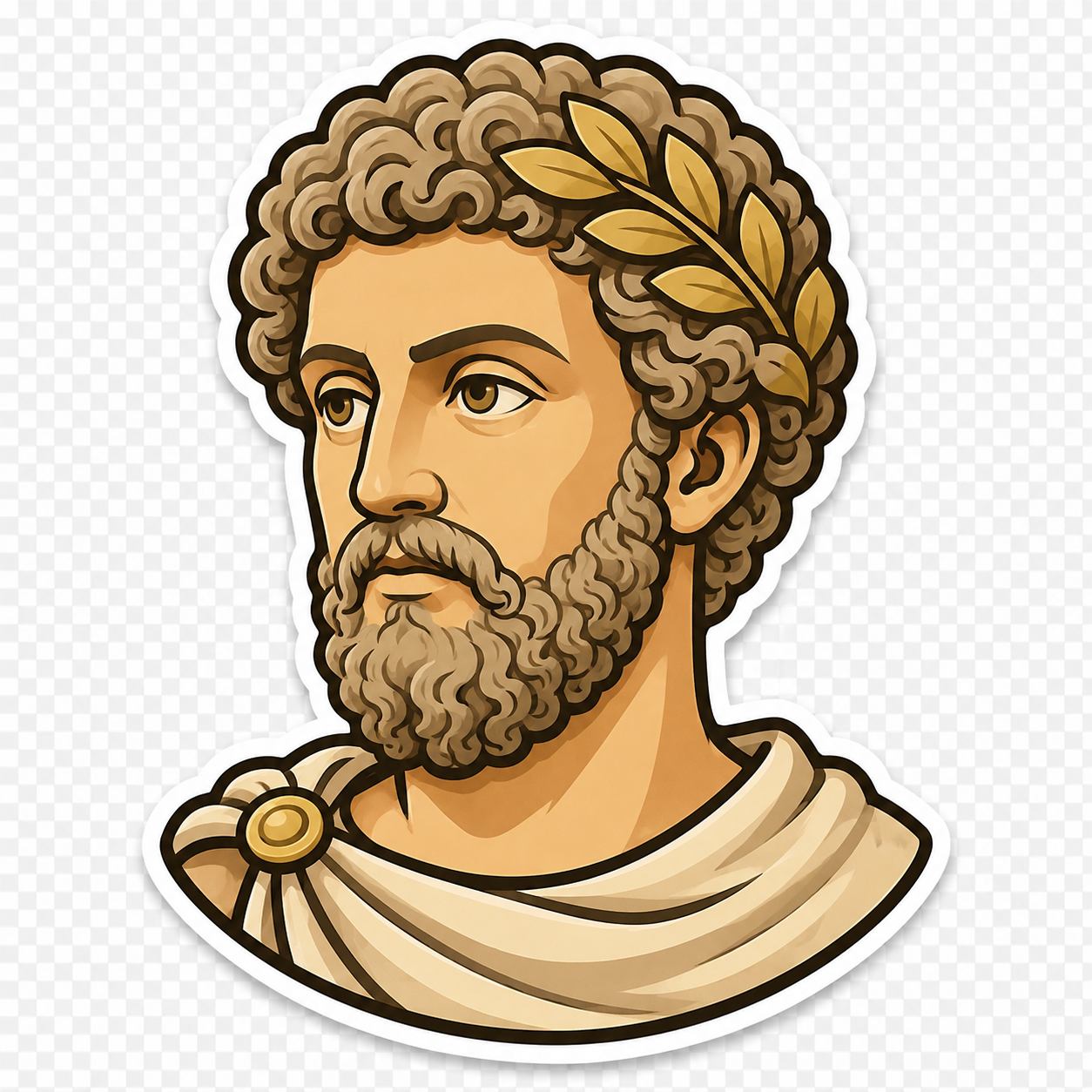
Marcus told himself he had the power to hold no opinion about a thing, and so to keep his soul untroubled. You are not obliged to entertain every thought that arrives. Drop it, and the disturbance goes with it.
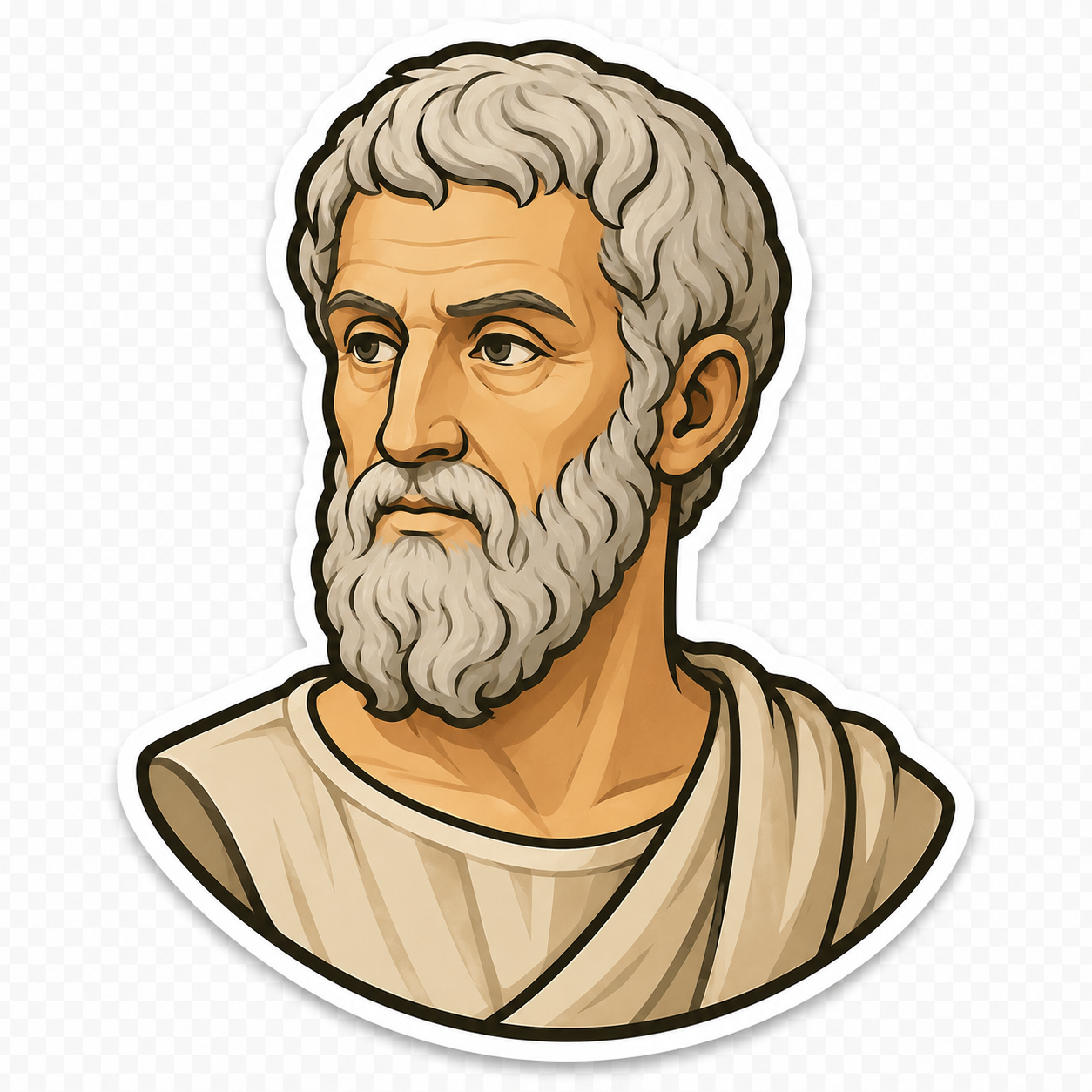
Epictetus would have you test each impression as it comes: is this within my power? If not, the rule is ready at once: it is nothing to me. Most overthinking dies the moment you apply it.
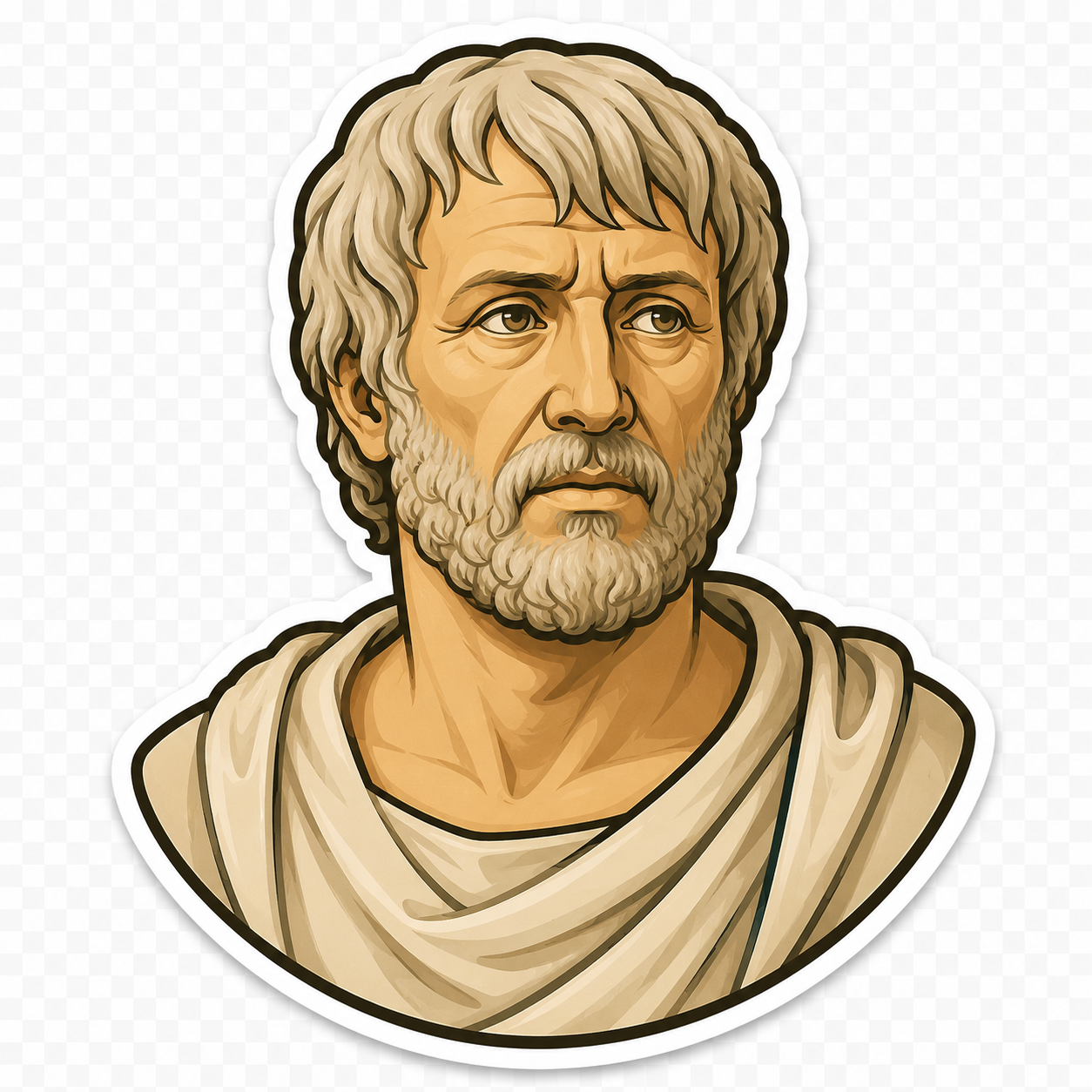
Seneca saw that we are tormented by what is not real, paying interest on troubles before they are due. He would bring you back from imagined futures to the only thing you can act on, which is now.
Try this
- Catch the loop and ask: is this in my control? If yes, act; if no, release it.
- Treat thoughts as impressions to be examined, not facts to be obeyed.
- Return to the present task; action ends rumination where more thinking only feeds it.
- Refuse to pay interest on troubles that have not yet come, and may never.
Questions
How do Stoics stop overthinking?
By recognising thoughts as opinions they can decline, sorting them into controllable (act) and uncontrollable (release), and returning attention to the present task.
What Stoic quote helps with overthinking?
Marcus Aurelius reminded himself that he had the power to hold no opinion about a thing and so keep his mind untroubled, a direct tool against rumination.
Ask them yourself
Put your own situation to Marcus, Seneca or Epictetus and hear them answer in their own words.
Talk to a Stoic