A Stoic answers
How would a Stoic deal with anxiety?
A Stoic treats anxiety as a signal that the mind has wandered into things outside its control, usually an imagined future. The remedy is to draw a hard line between what is up to you (your judgements, choices and effort) and what is not (outcomes, other people, what happens next), and to spend your attention only on the first. Anxiety lives in the gap between now and a feared later; the Stoic closes it by returning to the present and doing the next right action.
The principleThe dichotomy of control: you are responsible for your own actions and judgements, and for nothing else. Worry about the rest is wasted because it changes nothing.
What the philosophers say
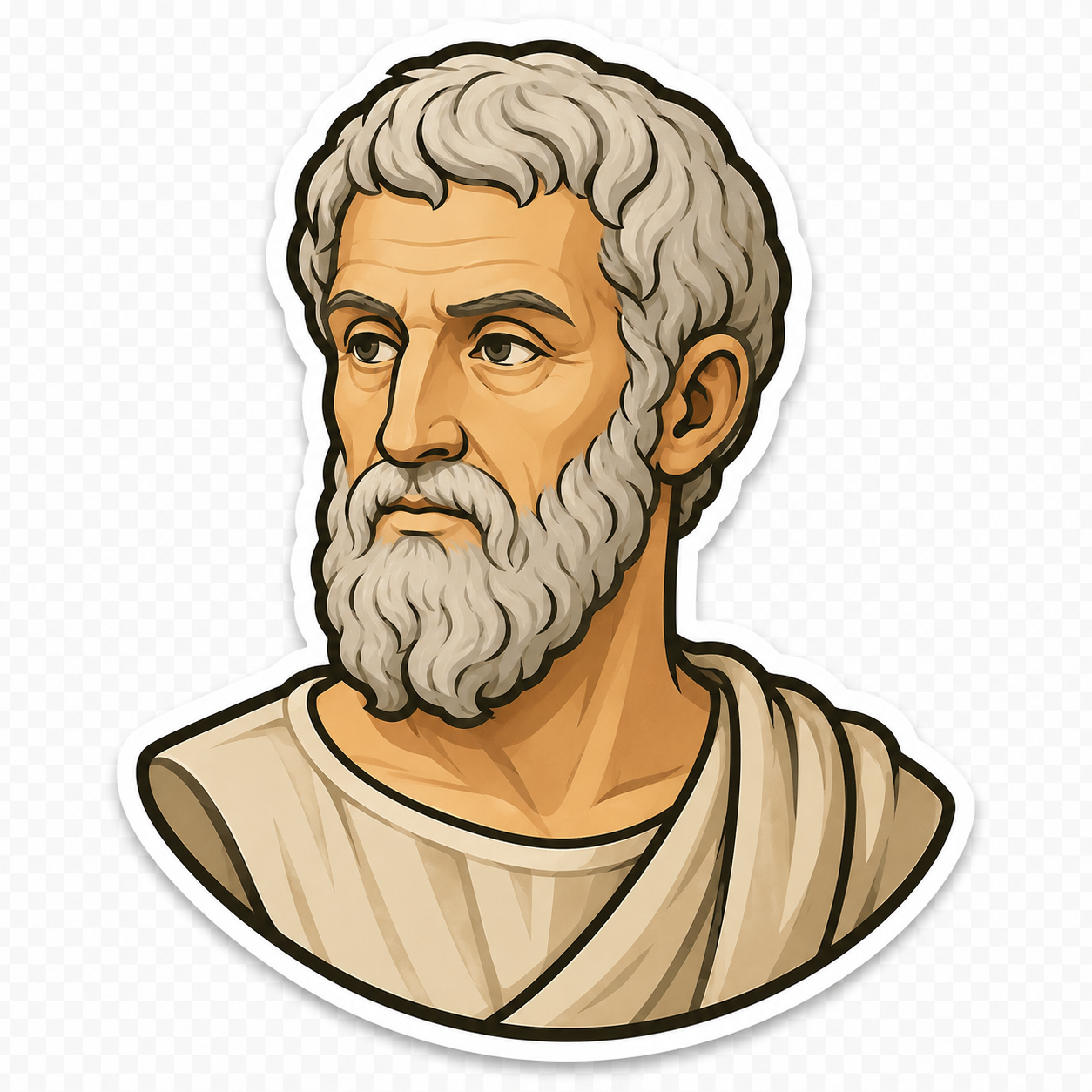
Epictetus would ask one question of whatever is frightening you: is this up to me, or not? If it is not up to you, it is not yours to carry, and you can set it down. If it is, then stop worrying and act.
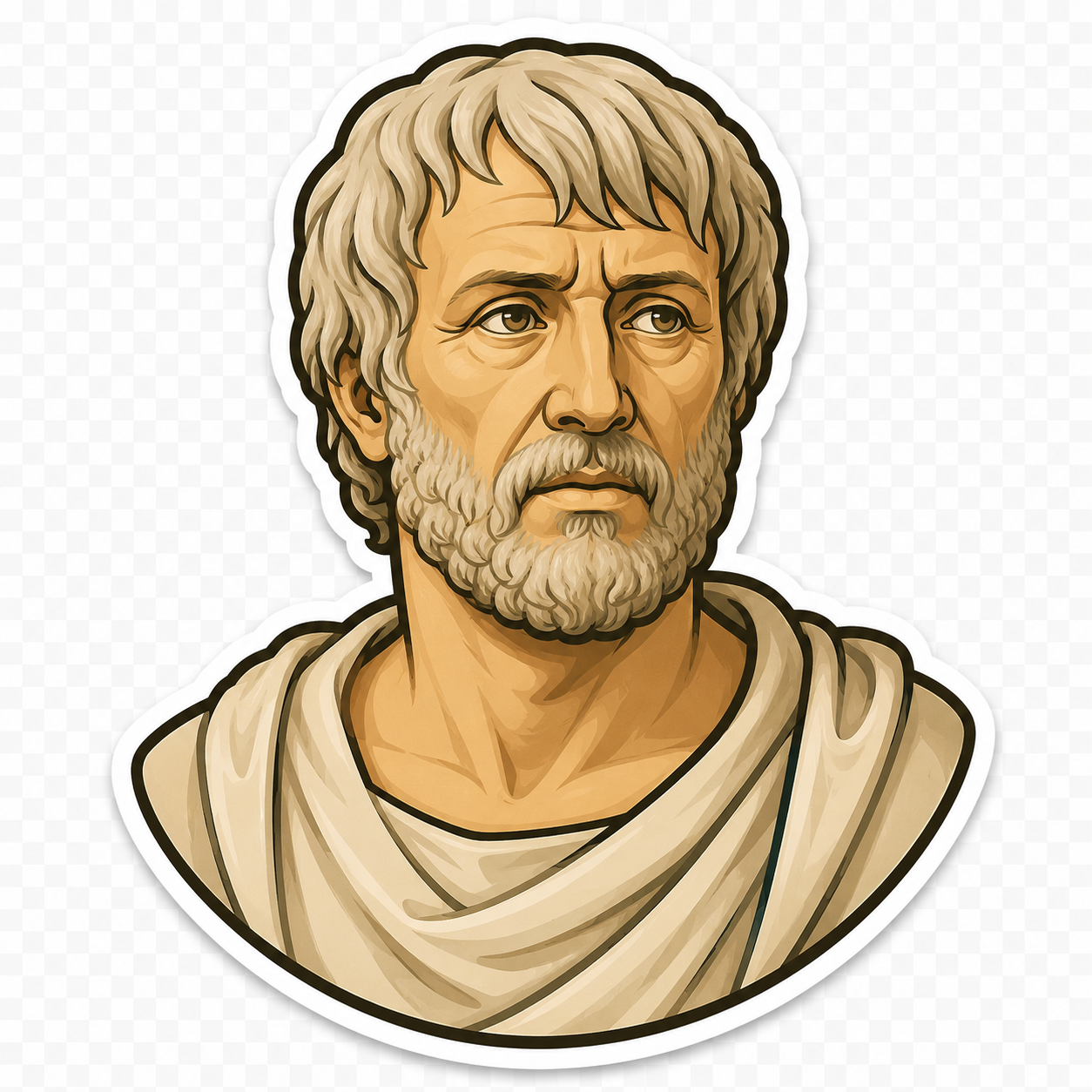
Seneca noticed that we suffer more in imagination than in reality. Most of what we dread never happens, and we pay for it in advance, again and again. He would have you ask of each fear: is it certain, or only possible?
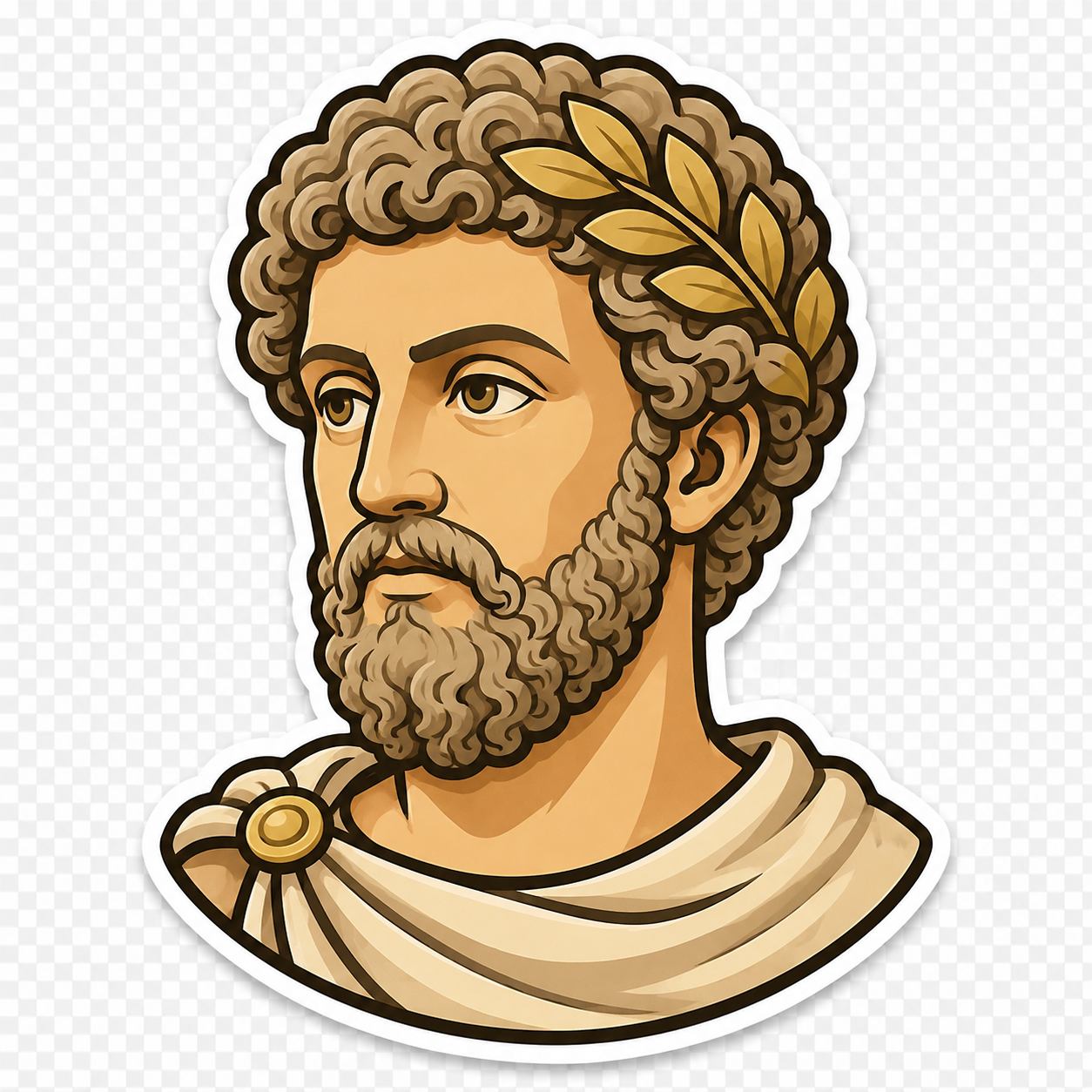
Marcus would bring you back to this hour. The mind that stays in the present has nothing to fear, because fear is always about something that is not here yet. Do what is in front of you, well.
Try this
- Name the fear, then sort it: write what part is in your control and what part is not.
- Act on the controllable part today, however small. Action dissolves anxiety; rumination feeds it.
- When you catch yourself in an imagined future, return your attention to the present task.
- Ask of each worry: is this certain, or only possible? Most dread is rehearsal for things that never arrive.
Questions
What is the Stoic cure for anxiety?
Separate what you control from what you do not, give your attention only to the first, and return to the present moment when the mind drifts into feared futures.
Which Stoic wrote most about worry?
Seneca, in his Letters to Lucilius, returns often to fear and anxiety, and to the observation that we suffer more in imagination than in reality.
Ask them yourself
Put your own situation to Marcus, Seneca or Epictetus and hear them answer in their own words.
Talk to a Stoic