A Stoic answers
How do Stoics deal with things they can't control?
This is the centre of all Stoicism. Epictetus opens his handbook with it: some things are up to us and some are not. Up to us are our judgements, choices, desires and efforts. Not up to us are our bodies, reputations, possessions, other people and outcomes. Nearly all suffering comes from trying to control the second group, or from tying our peace to it. The Stoic invests fully in the first and accepts the second, and so is both unshakeable and free.
The principleThe dichotomy of control. Divide everything into what is up to you and what is not, work tirelessly on the first, and accept the second with grace.
What the philosophers say
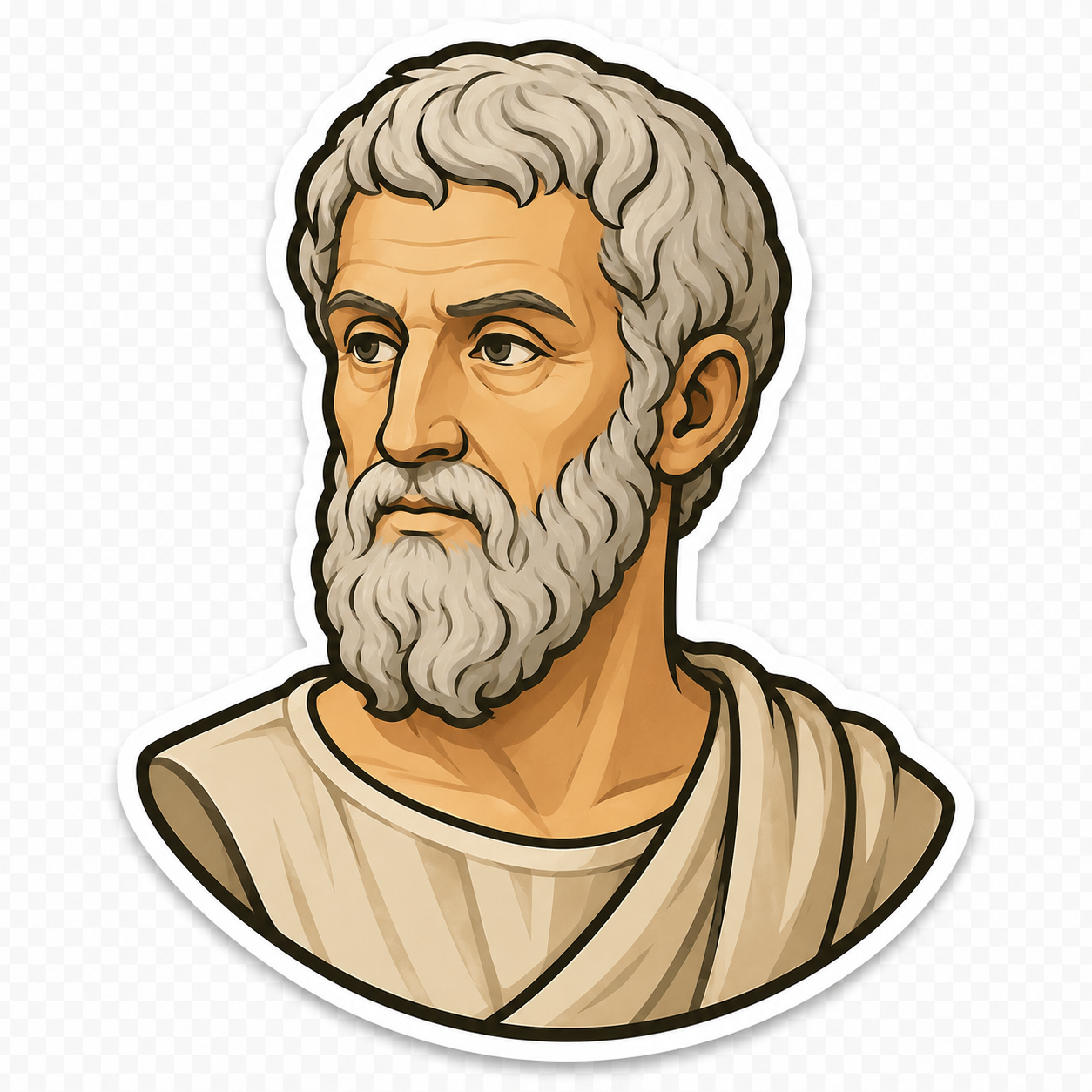
Epictetus put it plainly: it is not events that disturb us, but our opinions about them. You cannot control the event, but the opinion is entirely yours, and that is where your freedom lives.
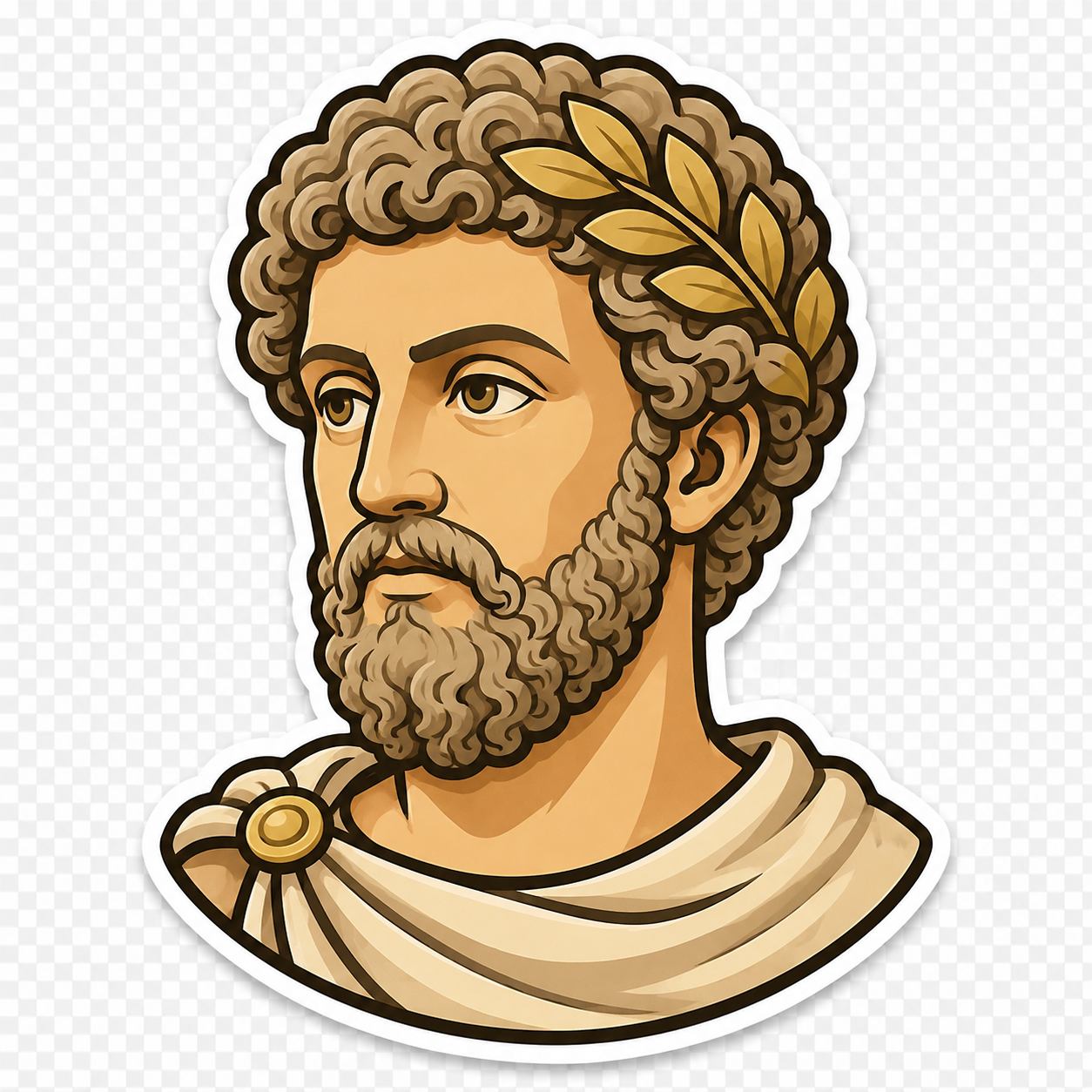
Marcus practised the 'view from above', seeing his troubles as small against the vastness of time and the world. From there, what he could not control looked far less worth the grip he had on it.
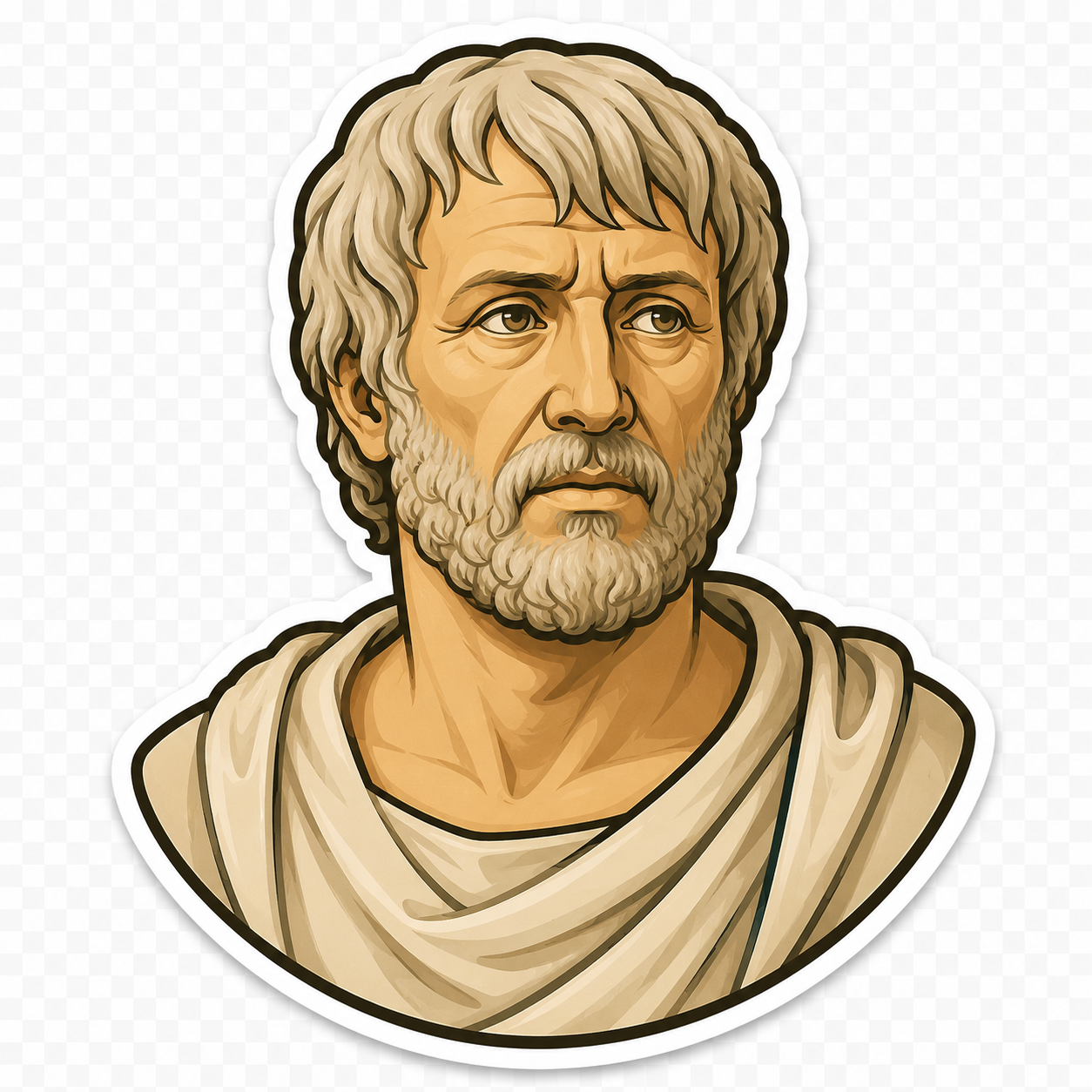
Seneca counselled accepting fortune's terms in advance: expect what is in fortune's power to happen, and it can never catch you off guard. Willingly accept what you cannot change, and you suffer no violence from it.
Try this
- Sort the situation into two columns: what is up to me, what is not.
- Pour your effort into the first column and deliberately release the second.
- When upset, find the opinion behind the upset; the opinion is yours to change.
- Rehearse acceptance in advance: expect fortune's reversals so they cannot ambush you.
Questions
What is the dichotomy of control?
The Stoic division of everything into what is up to us (our judgements, choices and efforts) and what is not (outcomes, other people, possessions). You focus on the former and accept the latter.
Who came up with the dichotomy of control?
It is most associated with Epictetus, whose Enchiridion opens with it, though it runs through all Stoic writing including Marcus Aurelius and Seneca.
Ask them yourself
Put your own situation to Marcus, Seneca or Epictetus and hear them answer in their own words.
Talk to a Stoic