A Stoic answers
How do Stoics think about death?
The Stoics did not avoid the thought of death; they kept it close, on purpose. Death is natural and certain, the same end that met everyone before you, and fearing it changes nothing except that it spoils the time you have. Far from being morbid, remembering your mortality is what gives the day weight. You stop postponing your life when you accept that it ends. The Epicurean Lucretius added a further consolation: where death is, you are not, so it can never actually be experienced by you.
The principleMemento mori, remember that you will die, is not a threat but an instruction: live now, decide now, because the supply of days is limited and unknown.
What the philosophers say

Marcus told himself to do, say and think each thing as if it could be his last, not from dread but to strip away triviality. Death is one of nature's ordinary operations; to fear it is to fear being natural.
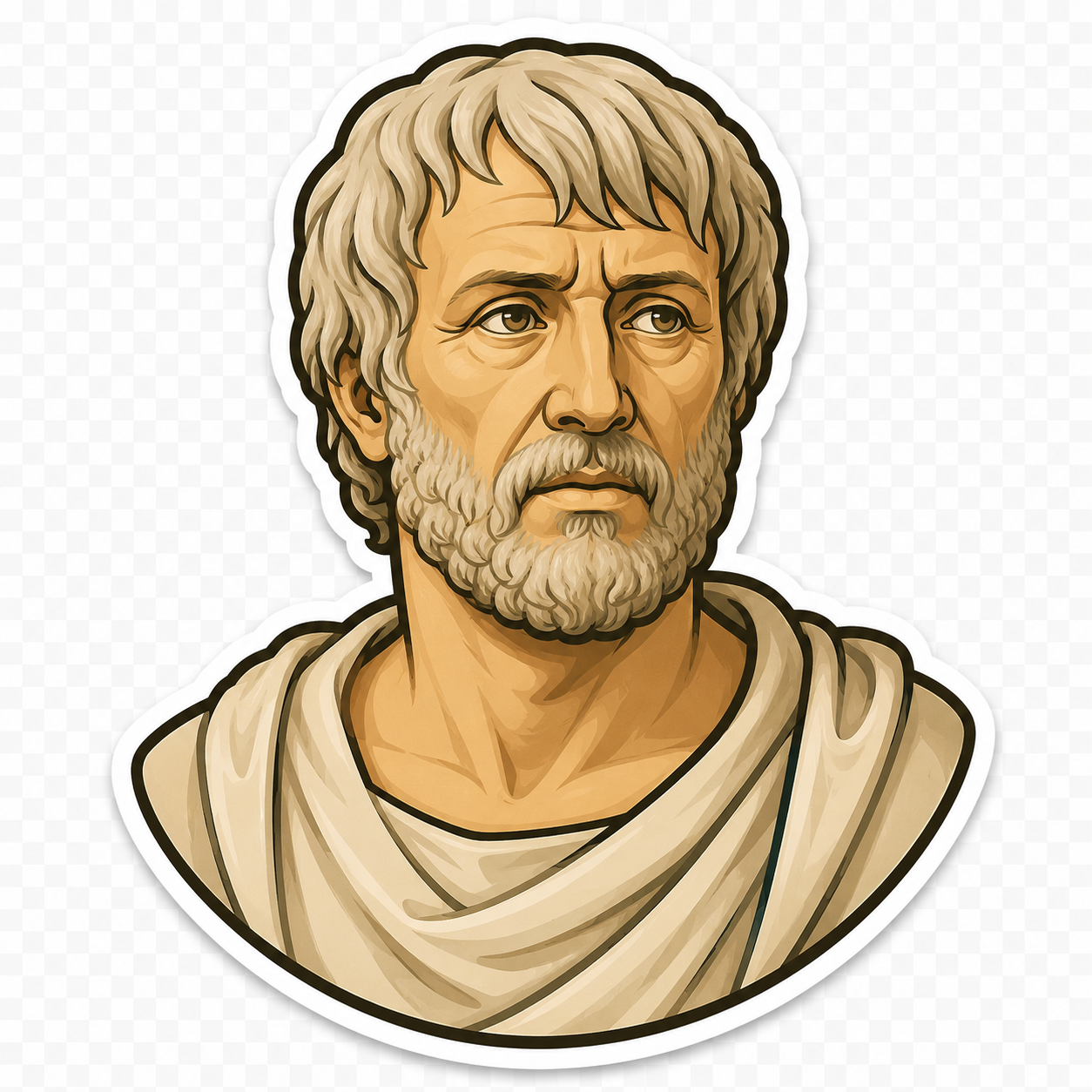
Seneca argued we are dying every day, since each day a portion of life is taken. The whole of philosophy, he said, is a preparation for death, which is also a preparation for living without fear.
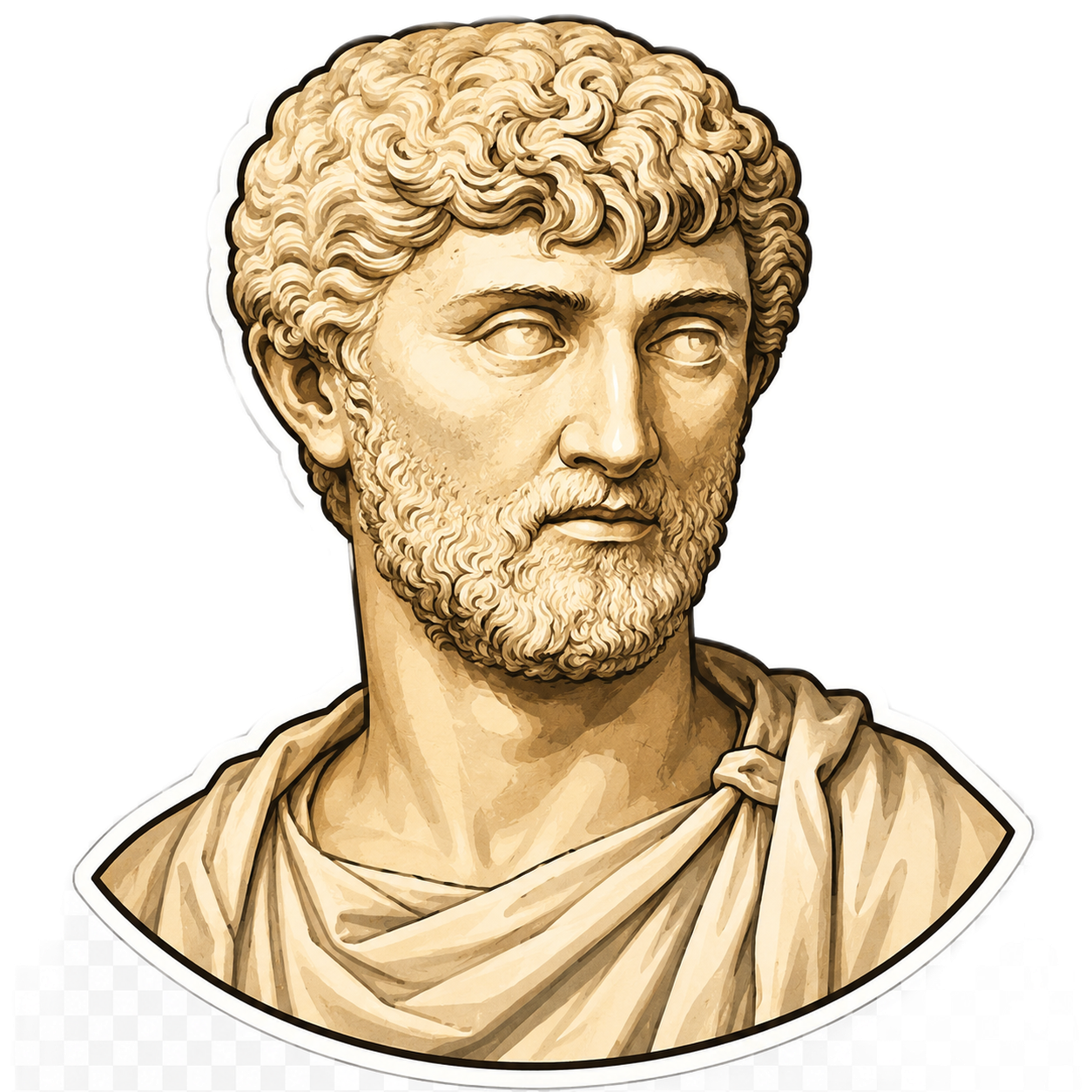
Lucretius offered the Epicurean comfort: death is nothing to us. When we exist, death is not here; when death is here, we no longer exist. There is no one left for it to harm.
Try this
- Use mortality as a filter: if my time is limited, does this worry, grudge or delay deserve any of it?
- Let the thought of death raise the value of ordinary things rather than darken them.
- Stop postponing. The reason to act is that the day is finite.
- When you fear death itself, remember you will not be present to experience it.
Questions
Why do Stoics think about death so much?
Because remembering mortality (memento mori) strips away triviality and makes you live now. It is meant to sharpen life, not darken it.
How did the Stoics overcome the fear of death?
By seeing death as natural and certain, by treating philosophy as a lifelong preparation for it, and by refusing to spoil the present with dread of something that changes nothing.
Ask them yourself
Put your own situation to Marcus, Seneca or Epictetus and hear them answer in their own words.
Talk to a Stoic